Intermittent fasting (IF) continues to be one of the most popular and effective tools for weight loss, metabolic health, and building sustainable habits. It's not about what you eat (though quality matters), but when you eat. In 2026, research emphasizes starting slow, prioritizing nutrient-dense meals, and aligning fasting with your lifestyle for long-term success.
Whether you're aiming to lose weight, improve energy, or support overall wellness, here are proven tips to make intermittent fasting work for you.
1. Start Slow – Don't Jump into Extreme Fasts
Many beginners fail by trying 16:8 right away. Begin with a 12-hour fast (e.g., finish dinner by 8 PM and eat breakfast at 8 AM). Gradually extend to 14:10 or 16:8 over 1–2 weeks. This helps your body adapt without shock.
2. Choose the Right Method for Your Life
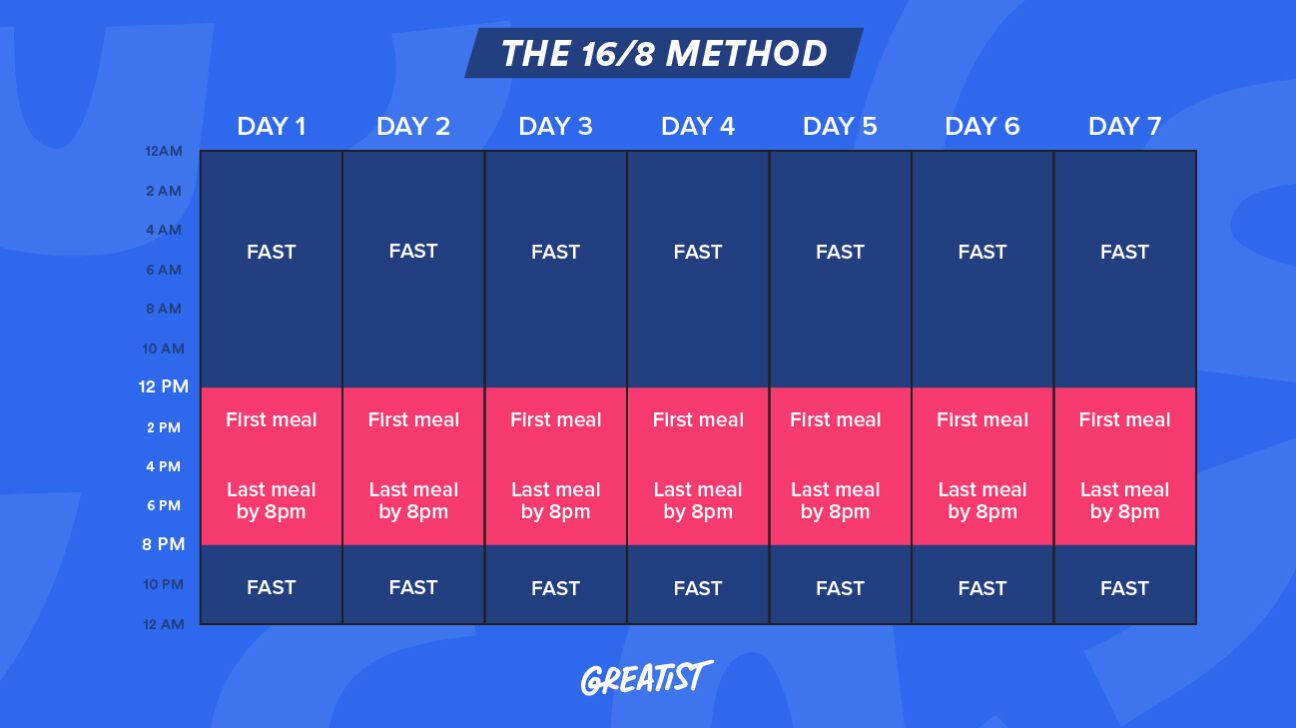
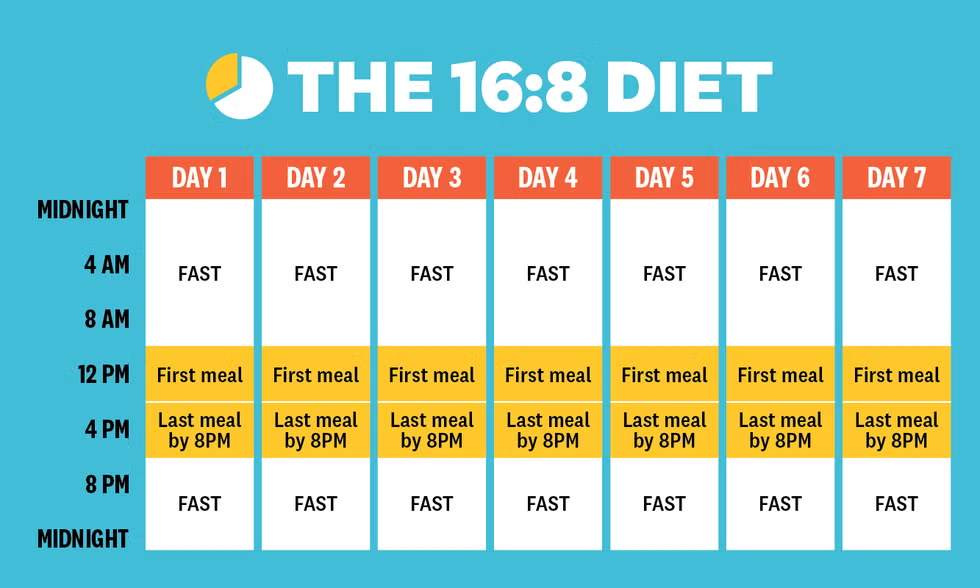
The most beginner-friendly and sustainable option remains the 16:8 method — fast for 16 hours, eat during an 8-hour window (e.g., noon to 8 PM). Other options include:
- 14:10 — Great for women or those new to fasting (shorter fasts are often better tolerated).
- 5:2 — Eat normally 5 days, restrict to 500–600 calories on 2 non-consecutive days.
- Eat-Stop-Eat — 24-hour fast 1–2× per week (more advanced).
Pick one that fits your schedule and social life.
3. Stay Hydrated During Fasting Windows
Drink plenty of zero-calorie fluids to curb hunger and support energy:
- Water (plain or sparkling)
- Black coffee
- Unsweetened tea
- Herbal infusions
Avoid anything with calories, including most artificial sweeteners, as they can disrupt fasting benefits.

4. Focus on Nutrient-Dense Foods in Your Eating Window
IF works best when you don't overcompensate by overeating. Prioritize:
- High-protein foods (eggs, chicken, fish, Greek yogurt) to preserve muscle
- Fiber-rich veggies and fruits
- Healthy fats (avocado, nuts, olive oil)
- Whole grains or legumes in moderation
Avoid junk food during your window — it defeats the purpose.


5. Break Your Fast Gently
Don't dive into a huge, heavy meal. Start with something easy to digest:
- Bone broth
- Eggs
- Cooked vegetables
- Fruit or a small protein shake
- Fermented foods (yogurt, kimchi)
This prevents digestive discomfort and helps maintain stable blood sugar.
6. Listen to Your Body & Adjust
- If you feel dizzy, overly fatigued, or irritable → shorten the fast or add electrolytes (salt your water).
- Women may benefit from shorter fasts or cycle-syncing (shorter during certain phases).
- Combine with strength training and walking for better fat loss and muscle preservation.
7. Track Progress Beyond the Scale
Weigh yourself weekly, but also note:
- Energy levels
- Hunger patterns
- Clothes fit
- Sleep quality
Consistency beats perfection. Many see results in 4–8 weeks when paired with good nutrition.
Quick Starter Plan (16:8 Example)
- Fasting window: 8 PM – 12 PM next day
- Eating window: 12 PM – 8 PM
- Sample day:
- 12 PM: Protein-rich lunch (eggs, veggies, avocado)
- 4 PM: Snack or smaller meal
- 7 PM: Dinner (lean protein, salad, healthy fats)
- Plenty of water/coffee/tea during fast
Important: Consult a doctor before starting, especially if you have diabetes, are pregnant, have a history of eating disorders, or take medications.
Intermittent fasting isn't magic — it's a timing tool that helps create a calorie deficit naturally while supporting metabolic health. Start small, stay consistent, and pair it with nutrient-focused eating for the best results in 2026.
What's your favorite fasting window? Share below or try one tip this week!